

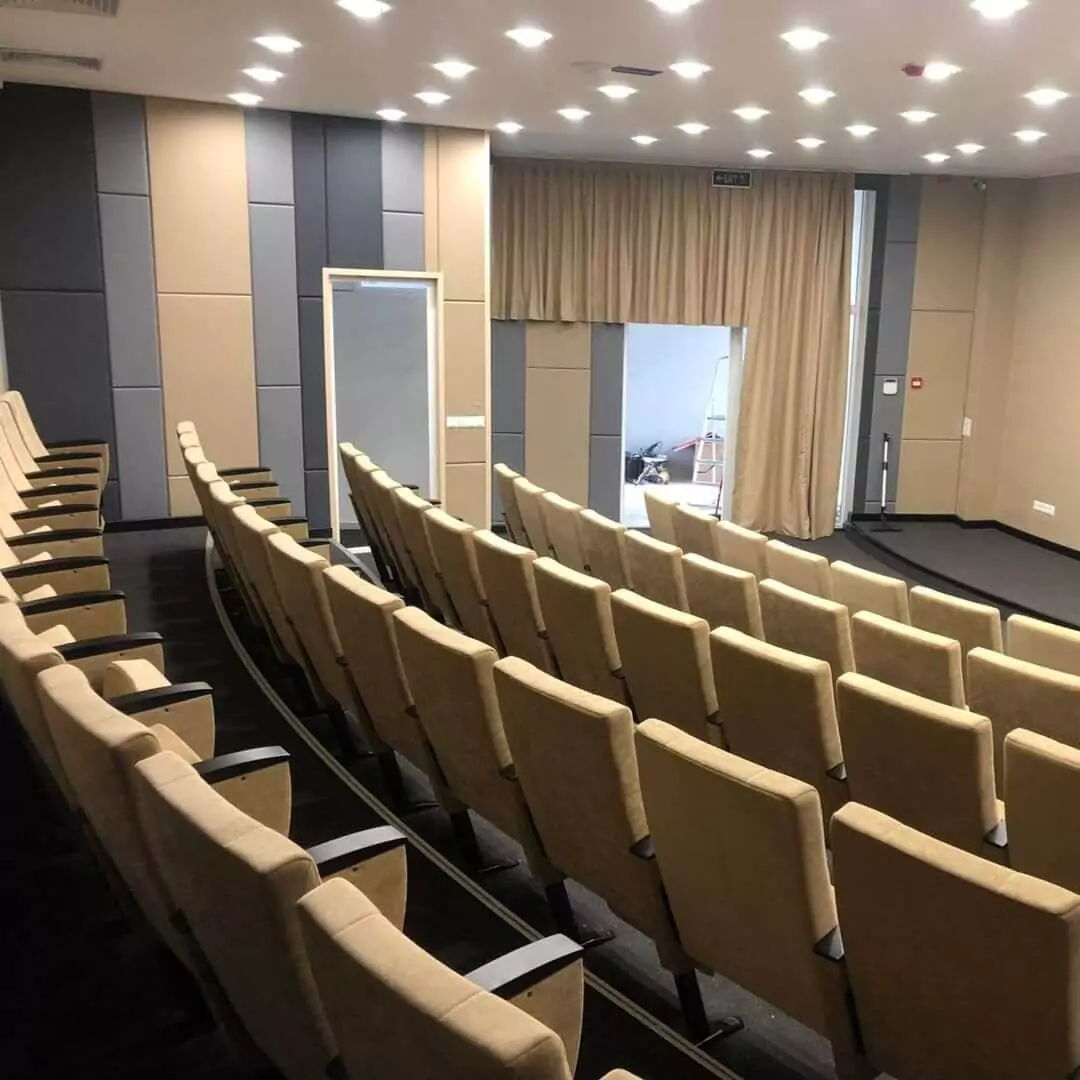
Seats for Europe
Professional seats are part of the structure, comfort and long-term value of every venue project. In a cinema, the seat affects the full viewing experience. In an auditorium, it supports long events, public programs and cultural performances. In a stadium, it must handle crowd movement, weather conditions and frequent cleaning. In a lecture hall, it helps organize learning. In a waiting area, it shapes the first impression of the building.
For European projects, seats must be selected with a clear focus on quality, durability, technical suitability and long-term performance. A product that looks attractive at first may not be suitable for public or commercial use if the frame is weak, the upholstery wears quickly, the plastic fades, the mechanism becomes noisy or the installation method does not match the venue. The right seating system should perform reliably for years, not only during the first months after installation.
Monseat provides professional seats and seating systems for cinema, auditorium, stadium, education, public building and multipurpose venue projects, with a focus on project-based supply, durable production and strong value in relation to quality.
European Venue Seating
European venue projects often require seating that is both practical and refined. A seat should support the user, match the design of the venue, remain easy to maintain and meet the daily needs of the operator. This combination is important because many European projects are planned for long-term public or commercial use.
A cinema operator wants seats that improve audience comfort and protect the hall’s image. A stadium owner needs seats that remain safe, clean and visually consistent under intensive use. A university needs seating that supports daily learning and writing. A cultural center needs seats that fit the atmosphere of the hall. A contractor needs technical clarity, predictable production and reliable supply.
The best seating solution begins with the project type. Seat selection should consider capacity, circulation, maintenance, installation, expected user profile, climate, materials and design language. When these details are planned correctly, the venue becomes easier to operate and more comfortable for visitors.
Seats for Cinemas
Cinema seats are among the most important elements in a movie theater. Viewers may sit for two hours or more, so the seat must provide support, comfort and a relaxed position. A cinema hall with uncomfortable seats can lose its appeal even if the screen and sound system are strong.
Cinema projects may require standard cinema seats, VIP cinema seats, recliner seats, double seats, sofa-style seating or private screening room seats. Each type serves a different purpose. Standard seats support capacity and daily commercial use. VIP seats create a premium experience. Recliners offer a more relaxed and higher-value seating environment. Double seats and cinema sofas can make a hall feel more intimate and exclusive.
The correct cinema seat must fit the hall layout. Seat width, back angle, row spacing, cup holder position, armrest design, aisle access and viewing angle all affect the experience. The seat should also be easy to clean between screenings and durable enough for repeated daily use.
For European cinema projects, long-term comfort and controlled maintenance are especially important. A well-selected cinema seat helps protect both the audience experience and the commercial value of the hall.
Seats for VIP Cinemas
VIP cinema seats are designed for projects where comfort and exclusivity are part of the business model. These seats usually require wider dimensions, softer upholstery, larger armrests and more personal space. In some halls, they may include recliner mechanisms, tray tables, cup holders or double-seat configurations.
A VIP seat should immediately feel different from a standard cinema seat. It should make the visitor understand that the hall offers a more premium experience. However, premium seating must still be practical. The seat should remain stable, easy to maintain and suitable for frequent commercial use.
VIP cinema seating can help operators create higher-value halls with fewer but more profitable seats. The layout should feel spacious and calm. Visitors should be able to sit, move, use armrests and enjoy the film without feeling crowded.
Recliner Seats
Recliner seats are used in premium cinema halls, private screening rooms, home theaters, luxury auditoriums and high-end entertainment spaces. They create a relaxed position by allowing the backrest and footrest to move according to the user’s comfort.
Recliner seating requires careful planning. These seats need more space than standard cinema seats. Row spacing, footrest movement, viewing angle, aisle access, electrical infrastructure and maintenance access should be reviewed before installation.
Motorized recliners provide smooth movement and a luxury feeling. Manual recliners can offer comfort with a simpler mechanism. Double recliners and recliner sofas can create a more social and lounge-like experience.
A successful recliner project is not only about comfort. It must also consider capacity, cleaning, electrical planning, mechanism durability and long-term operation.
Seats for Auditoriums
Auditorium seats are used in cultural centers, theatres, municipal halls, conference venues, universities and public buildings. These spaces often host long events, different audience groups and varied programs. The seat must therefore combine comfort, visual harmony and durability.
An auditorium seat may include upholstered backs, wooden armrests, plastic outer backs, writing tablets, anti-panic tablet arms, row letters and seat numbering. The correct configuration depends on the purpose of the hall.
A theatre may need elegant seats with quiet folding movement. A public auditorium may need durable seats with easy-clean details. A lecture-style hall may need writing tablets. A cultural center may require a warmer design with wooden elements and refined upholstery.
A good auditorium seat supports the architecture of the hall while providing comfort during long sessions. It should remain stable, quiet and presentable after years of use.
Seats for Theatres
Theatre seats are part of the emotional atmosphere of a performance venue. The seat should support the audience without distracting from the stage. It should be comfortable, silent and visually suitable for the room.
Theatre seating often includes rich upholstery, refined armrests, wooden details and carefully selected colors. These elements help create a cultural identity inside the hall. The seat should work with lighting, wall finishes, flooring and acoustic surfaces.
Quiet operation is very important in theatres. A noisy folding mechanism can disturb the performance. The frame should feel stable, the cushion should remain supportive and the upholstery should keep its appearance under repeated use.
A well-designed theatre seat improves the audience experience and strengthens the character of the venue.
Seats for Conference Halls
Conference seats must support long meetings, presentations, seminars and formal events. They are used in business centers, hotels, corporate auditoriums, training halls and public meeting rooms. The design should feel professional and organized.
A conference seat should provide good back support, balanced cushioning and a clean appearance. In seminar and training spaces, writing tablets may be required. In formal halls, fixed auditorium-style seating may create a more structured environment.
Conference halls are often used by different groups, so durability is essential. Upholstery, frames, armrests and mechanisms should be suitable for frequent use. The seating layout should also support clear movement, visibility and a professional room image.
Seats for Stadiums
Stadium seats must be manufactured for demanding use. Sports venues, arenas and public tribunes receive large crowds and often face outdoor conditions. The seats may be exposed to sunlight, rain, dust, impact, crowd pressure and regular cleaning.
Stadium seating may include fixed monoblock seats, folding seats, tip-up seats, VIP stadium seats, press tribune seats, substitute player seats and team bench systems. Each area of the stadium needs a different solution.
Public tribunes need compact, durable and easy-clean seats. VIP areas need more comfort and a stronger visual standard. Press zones need functional seating with desk integration. Team bench areas need protected and practical seating near the field.
For outdoor stadiums, UV resistance, weather suitability, fixing strength and color stability are key factors. A good stadium seat should remain safe, stable and visually consistent under long-term use.
Seats for Arenas
Arenas often host sports, concerts, ceremonies, shows and public events. This means the seating system must support different types of use. Some areas may need fixed spectator seats, while others may require folding seats, VIP seating, telescopic tribunes or removable seating.
Arena seating should help manage large audiences efficiently. Seat numbering, row organization, clear access and easy cleaning are all important. In indoor arenas, comfort and visual consistency may be stronger priorities. In outdoor or semi-open arenas, weather resistance becomes more important.
A strong arena seating solution allows the venue to remain flexible while protecting spectator comfort and operational efficiency.
VIP Stadium Seats
VIP stadium seats are used in hospitality areas, premium stands, private boxes and executive zones. These areas require better comfort and appearance than public tribunes. The seat must support a more exclusive spectator experience.
VIP stadium seating may include upholstery, armrests, cup holders, wider dimensions and refined finishes. In covered areas, premium materials can be used more freely. In open areas, materials must still be selected according to sunlight, weather and cleaning requirements.
Premium stadium seating can increase the commercial value of hospitality packages and improve the overall image of the sports venue.
Press Tribune Seats
Press tribune seats are designed for journalists, commentators and media professionals. These areas require more than ordinary spectator seating. Users may need desks, writing surfaces, laptop space, power access and clear visibility.
A press seat should support long working periods and function together with the desk layout. The seating position, desk height, legroom and sightline should be planned as a complete system.
Professional media seating improves event organization and supports the operational quality of the venue.
Team Bench Seats
Team bench seats are used for players, coaches and staff near the field. These seats must provide comfort, visibility and quick access during matches and training sessions. They may be used with dugout systems, transparent shelters or open bench structures.
Team bench seating should be durable and practical. It may include upholstered surfaces, headrests, special colors or individual seat forms. The structure should remain stable under outdoor conditions and frequent movement.
A professional team bench area improves both function and the visual quality of the sports facility.
Seats for Lecture Halls
Lecture hall seats are used in universities, schools, academies and training centers. These seats must support learning, writing, concentration and daily use. They may include fixed desks, shared writing surfaces, tablet arms or amphitheater-style layouts.
The relationship between the seat and the writing surface is critical. Users should be able to sit comfortably, write naturally and use documents or laptops without difficulty. If the desk is poorly positioned, the learning experience becomes weaker.
Lecture hall seating should also be durable. Education spaces are used frequently by many different people. The frame, desk, seat, back and mounting system must remain stable over time.
A well-planned lecture hall seating system improves classroom order and supports a better academic environment.
Seats for Schools
School seats must be strong, practical and easy to maintain. Classrooms, seminar rooms and common education spaces need products that can handle daily use, cleaning and movement.
School seating may include wooden desk systems, upholstered education seats, fixed rows, lecture benches or compact seat-desk combinations. The correct choice depends on the age group, room type and learning format.
In schools, safety and durability are often the strongest priorities. In universities and adult training spaces, comfort and writing function become more important. A suitable education seat helps the room remain organized and practical for long-term use.
Seats for Waiting Areas
Waiting area seats are used in foyers, lobbies, reception areas, hospitals, schools, public buildings, hotels, cinemas and cultural centers. These areas form the first impression of the venue. The seats should make the space feel organized, comfortable and professional.
Waiting area seating may include benches, connected rows, modular seats, individual seats or lounge-style seating. The choice depends on visitor traffic, waiting duration, cleaning routine and interior design.
In high-traffic public buildings, durability and easy cleaning are essential. In hotels and premium lobbies, visual quality and comfort may be more important. In cinemas and theatres, foyer seating should support visitor flow without blocking circulation.
Seats for Foyers and Lobbies
Foyer and lobby seats are used in transition spaces where people wait, meet and move toward other areas. Seating should support comfort without interrupting movement.
A cinema foyer may need compact seating for short waiting times. A theatre foyer may need elegant seating that matches the cultural atmosphere. An office reception may require a clean and professional seating style. A hotel lobby may need more relaxed and refined seating.
The seating should work with the interior design. Upholstery, color, shape and placement should match the lighting, flooring, walls and overall identity of the venue.
Telescopic Seating
Telescopic seating systems are useful for multipurpose venues. A hall may need seats for one event and open floor space for another. Retractable tribunes allow the venue to change its layout according to use.
These systems are used in sports halls, school halls, cultural centers, event spaces and multipurpose auditoriums. They require strong platforms, safe movement, locking systems and compatible seat integration.
The seats used on telescopic systems must work with the storage and movement structure. Comfort, durability and mechanical safety should be evaluated together. A good telescopic seating system increases the functional value of the venue.
Acoustic Panels and Seats
Many professional seating projects also need acoustic solutions. Cinemas, auditoriums, conference halls, lecture halls and cultural centers require both comfortable seats and controlled sound.
Acoustic panels help reduce echo, control reverberation and improve speech clarity. They can be used with cinema seating, auditorium seating, conference seating and lecture hall seating. Fabric panels, wooden acoustic systems and decorative wall panels can support both sound performance and interior design.
When seating and acoustic planning are considered together, the venue becomes more complete and more comfortable.
Custom Seats for Projects
Every venue has its own technical and design needs. Standard seats may not always fit the exact dimensions, layout or identity of a project. Custom seating options help create a better match between product and space.
Customization may include fabric colors, upholstery types, artificial leather, real leather, wooden details, plastic backs, armrest styles, cup holders, writing tablets, numbering plates, row letters, logo applications and mounting details.
Custom seating is especially useful in renovation projects where existing step dimensions or floor structures may limit the options. It is also valuable in premium projects where the seat must match a specific interior concept.
Seats for Renovation Projects
Seat replacement can transform an existing venue. Old cinema seats, worn auditorium seats, faded stadium seats or outdated lecture hall seating can reduce the quality of a space. New seats can improve comfort, appearance and long-term operation.
Renovation projects require careful measurement. Existing floor structure, step depth, row spacing, mounting points and circulation should be reviewed before selecting new seats. The new seating should improve the venue without creating installation or movement problems.
A well-planned renovation can modernize the venue with controlled cost and strong visual impact.
Seats for New Construction Projects
New projects allow seats to be planned from the beginning. This creates better coordination between architecture, acoustics, flooring, lighting, circulation and technical systems.
In new cinemas, seats can be selected according to viewing quality and hall capacity. In new auditoriums, seating can be coordinated with acoustics and interior design. In new stadiums, spectator seats can be planned with crowd movement and safety. In new education buildings, lecture hall seats can be designed around learning needs.
Early seat planning helps avoid future problems and creates a more successful project result.
Seats for European Markets
European markets often require reliable quality, clean design, technical clarity and long-term durability. Cinemas, stadiums, universities, cultural centers, public buildings and business venues need seating that can remain functional and visually suitable for years.
A European seating project may need multiple seat categories within the same development. A cultural center may need auditorium seats, conference seating, foyer seating and acoustic panels. A sports facility may need stadium seats, VIP seating, press tribune seats and team bench systems. A cinema complex may need standard cinema seats, recliners and waiting area seating.
The common priority is long-term value. Seats should be durable, comfortable, easy to maintain and suitable for the real use conditions of the project.
Seats for Gulf, Middle East and Africa Projects
Although the main focus is Europe, many international projects also require similar seating quality. Gulf projects may require premium cinema seats, VIP stadium seating and luxury auditorium solutions. Middle East and Africa projects may focus on durability, practical maintenance and strong value in relation to quality.
Outdoor stadium seats may need strong UV resistance. Public halls may need robust and easy-maintenance auditorium seats. Cinema projects may require standard seats, VIP recliners or private screening room solutions. Education projects may need lecture hall seats and classroom systems.
A professional seating solution should always match the region, climate, usage level and project type.
Manufacturer-Based Supply
Manufacturer-based supply gives project teams better control over quality, customization and technical details. Product materials, colors, dimensions, mounting methods, numbering options and upholstery choices can be evaluated according to project needs.
This is especially important for large projects where many seats must match in appearance, comfort and performance. Controlled production supports consistency and reduces project risk.
A manufacturer-based approach also helps when a project requires special finishes, different seating categories or adaptations for existing structures.
Quality and Price Balance
Professional seats should not be selected only by the lowest price. A weak seat can create higher costs through maintenance, repair, replacement and user dissatisfaction. A durable and well-manufactured seat can provide better long-term value.
The correct approach is to evaluate quality and price together. A good seat should be comfortable, strong, easy to maintain and suitable for the venue. It should support the project for years without creating unnecessary operational problems.
Strong price-performance value is especially important in large projects where hundreds or thousands of seats may be required.
Durability in Professional Seats
Durability is one of the main requirements in professional seating. Seats in cinemas, auditoriums, stadiums, schools, public buildings and conference venues are used repeatedly by many different people.
Durability depends on the frame, foam, upholstery, plastic components, wooden details, mechanisms and mounting system. Each part must be suitable for the expected usage level.
A durable seat reduces maintenance, protects the project investment and improves the long-term user experience.
Comfort and Ergonomics
Comfort is essential in every seat category. Users may sit for long periods during movies, lectures, conferences, performances or sports events. A comfortable seat supports the body and improves the overall perception of the venue.
Seat angle, back form, cushion structure, armrest height, legroom and upholstery all affect comfort. In lecture halls, writing posture is also important. In cinemas and VIP spaces, relaxation and personal space become stronger priorities.
The best seats combine comfort with durability. They should not only feel good when new, but also remain supportive after years of use.
Space Planning and Layout
Seat layout affects capacity, movement, safety and user comfort. A successful project should provide enough places without making the venue feel crowded or difficult to use.
In cinemas, viewing angle and row spacing are critical. In auditoriums, sightlines and circulation must be considered. In stadiums, crowd movement and safe access are essential. In lecture halls, desk spacing and writing comfort are important. In waiting areas, seats should not block entrances, exits or service points.
The right seat helps the venue use its space efficiently while maintaining comfort.
Complete Professional Seat Categories
Professional seating projects may include cinema seats, VIP cinema seats, recliner seats, auditorium seats, conference seats, theatre seats, lecture hall seats, school seats, stadium seats, arena seats, telescopic seating, retractable tribunes, press tribune seats, team bench systems, waiting area seats, foyer seats, lobby seats and acoustic panels.
A broad product range helps project teams choose suitable seats for different parts of the same venue. It also supports design consistency, easier procurement and clearer communication.
For professional seating solutions, visit the official website.
Conclusion
Seats are central to the success of cinemas, auditoriums, stadiums, lecture halls, conference venues, schools, public buildings and multipurpose spaces across Europe. The right seating system improves comfort, supports capacity planning, strengthens the visual identity of the venue and protects long-term project value.
A successful seating project requires durable production, suitable materials, ergonomic design, correct layout planning, customization options and a strong balance between quality and price. By choosing seats that match the real needs of the venue, project owners, contractors and architects can create spaces that remain comfortable, functional and professional for many years.
Created By : Monseat